Software Development.
Custom web, mobile, no-code, and geospatial applications for enterprise teams and ambitious startups. AI-powered development, nearshore from Poland, with the engineering depth to scale and the speed to ship.
Talk to an ExpertTrusted by enterprise teams and startups across Europe and the US



5 Services Across the Custom Software Development Stack
Pick the one that matches what your product needs next. Or talk to us if you're not sure.
“
SH is our trusted software development partner, with whom we have worked for many years.
“

Piotr Stępień
Head of Technology @ Siemens
From Idea to Production
Not Sure Which Service Fits?
Tell us what you're building. We'll tell you which service matches your stage, what it would cost, and how fast we can ship.
Book a 30-min CallWork with a team trusted by top-tier companies.
Frequently asked questions
When should I choose custom software development over no-code?
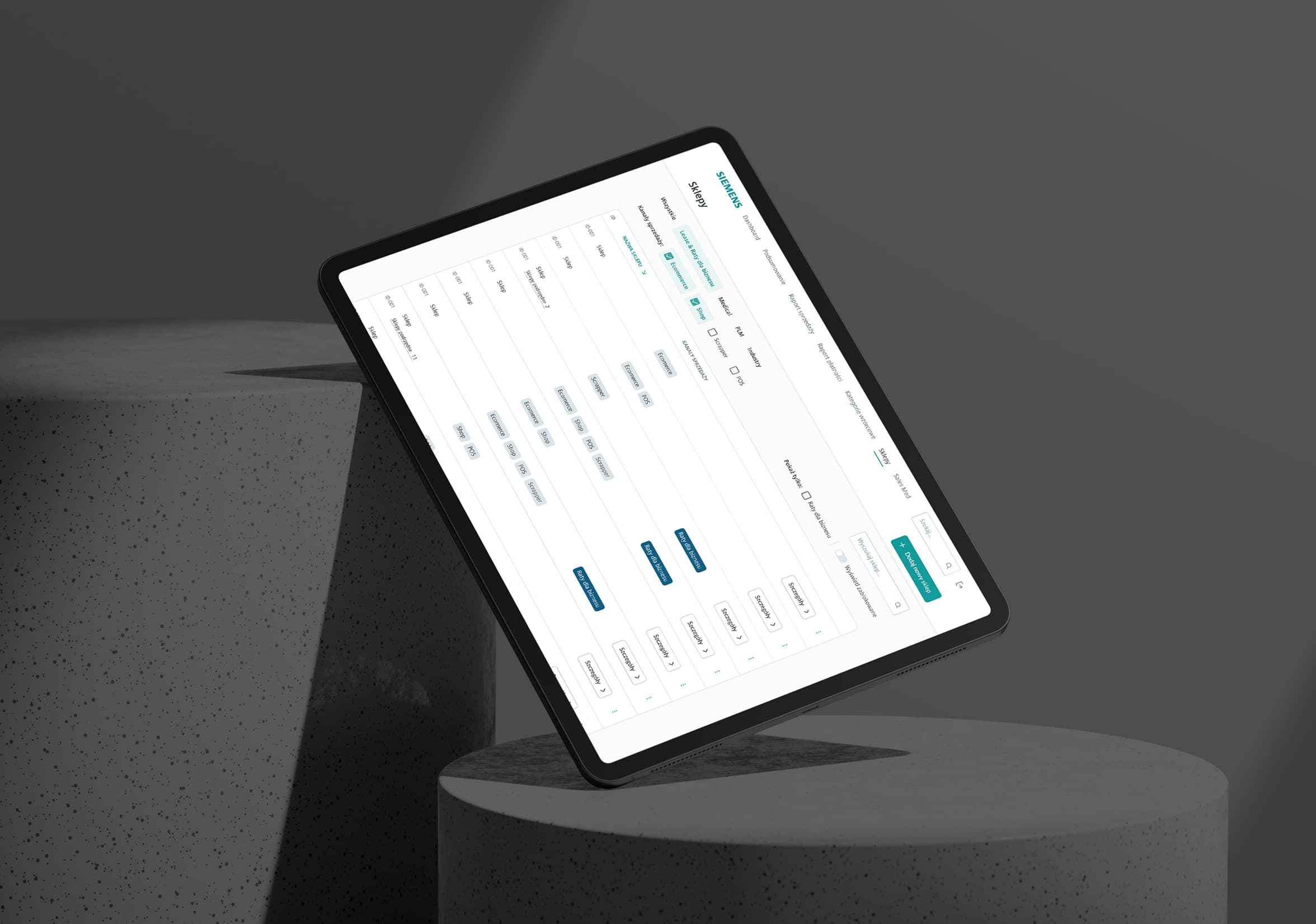
Choose custom software development when you need performance at scale (millions of users, real-time data, high concurrency), unique business logic that no platform supports, deep integration with regulated systems, or when you've already validated the product and are committing to long-term ownership. Choose no-code when you're validating an idea, building internal tools, shipping under tight deadlines, or running a product where speed-to-market matters more than custom architecture. SH builds both. We've shipped no-code products for Siemens and PwC, and custom platforms for Fortune 500 cybersecurity clients. The right call depends on your stage and constraints, not vendor preference.
How much does custom software development cost?
Custom software development costs depend on three variables: scope (how much you're building), complexity (regulated industry, real-time data, deep integrations), and timeline (parallel teams cost more but ship faster). For reference, an MVP development engagement at SH typically runs from 50,000 to 250,000 EUR depending on platform, scope, and integrations. A full enterprise application can range from 200,000 EUR to several million depending on scale and ongoing development. We scope precisely after a discovery call so the estimate matches what you're actually building, not a generic price list.
What's the difference between MVP development and full product development?
An MVP is the simplest version of your product that delivers real value to users and generates real feedback. The goal is to learn fast and validate assumptions before committing to a full build. Full product development assumes the assumptions are validated and the focus is on scale, performance, integrations, and long-term maintainability. At SH, MVP development typically runs 10 to 12 weeks. Full product development is multi-month or multi-year. Most clients move from MVP to full development with us as the same team, which removes the cost of context handover.
How long does it take to build a custom enterprise application?
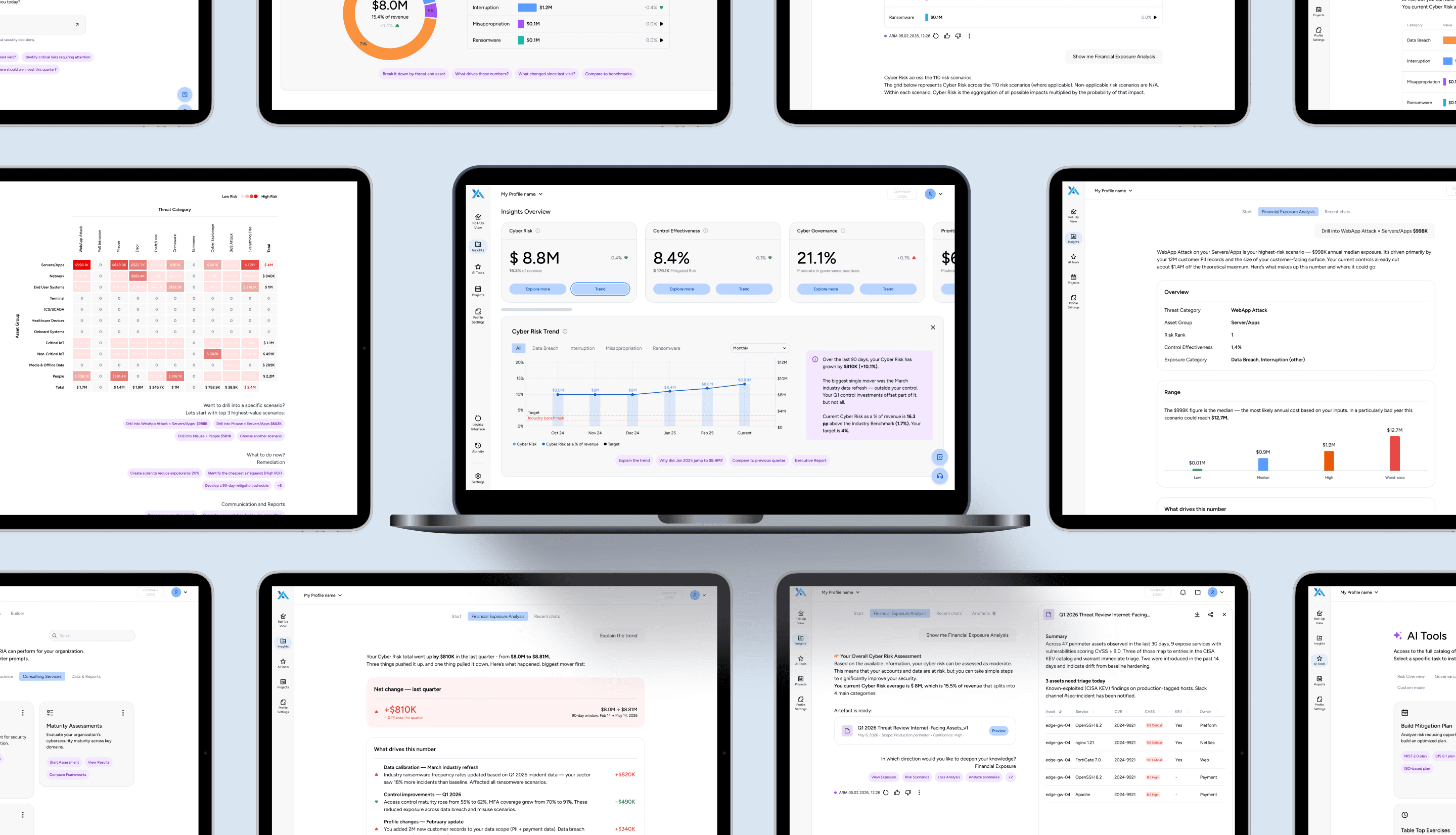
A custom enterprise application typically takes 4 to 12 months from kickoff to first production release, depending on scope, integrations, and compliance requirements. Web applications and SaaS platforms run 8 to 16 weeks for first release with AI-assisted workflows. Mobile apps run 10 to 18 weeks. Complex enterprise systems with regulated data, microservices architecture, and multiple integrations can run 6 to 12 months. SH delivered a Fortune 500 cybersecurity SaaS through this exact path: 2-month discovery, then phased development from prototype to scaled platform.
When does Mapbox make sense vs Google Maps?
Mapbox makes sense when maps are a core feature of your product, not a background element. Choose Mapbox when you need custom map styling aligned with your brand, full control over data layers and routing logic, real-time fleet or route data, or when you're hitting Google Maps API cost limits at scale. Google Maps is sufficient for products where a map is a basic locator (a "find us" page, contact form, or simple address lookup). For logistics, real estate, urban tech, and any product where maps are part of the value proposition, Mapbox is usually the better choice. SH is a Mapbox integration partner with experience across web, React Native, iOS, and Android.
Can no-code applications scale to enterprise level?
Yes, when used correctly. Platforms like Bubble, Webflow, and Softr power production-grade applications used by thousands of users daily, including products built for Siemens and PwC. The key is matching the platform to the use case. No-code excels at MVPs, internal tools, marketplaces, and CRM-style applications. It struggles when you need millisecond response times, custom AI/ML pipelines, deep regulatory compliance with custom audit trails, or millions of concurrent users. SH plans for this from day one. If your product outgrows the no-code platform, we migrate it to custom code without losing your data, logic, or momentum.
How to choose between native and cross-platform mobile development?
Choose native (Swift for iOS, Kotlin for Android) when you need maximum performance for graphics-heavy apps (games, AR, video editing), deep platform-specific features, or absolute platform fidelity for premium consumer products. Choose cross-platform (React Native or Flutter) when you want to ship to iOS and Android in the same timeline with one team, when up to 90% code reuse is acceptable, and when your app is business logic-driven rather than performance-critical. SH delivers both. We typically recommend React Native cross-platform unless there's a specific reason native is the right call. Simon Care's healthcare MVP and Aiforsite's construction app both ship from a single React Native codebase.